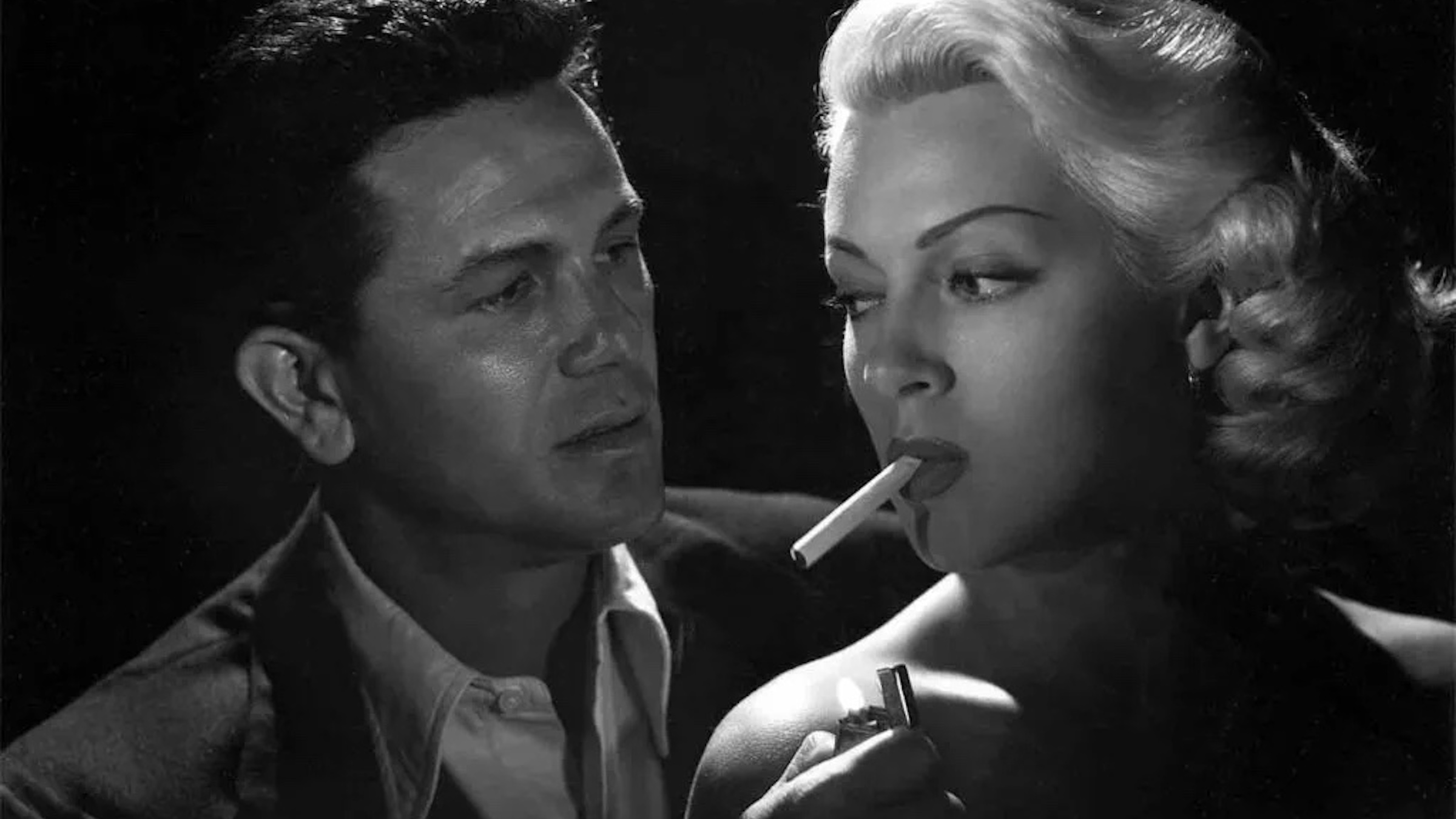
An archetype is more than a stereotype or a generic version of a personality, and for the screenwriter, understanding fundamental character archetypes is an essential tool for understanding the purpose or function of characters in a story.
Archetypes can be found in nearly all forms of literature including screenplays, with their motifs being predominantly rooted in folklore, but it wasn’t until Swiss psychologist Carl Jung coined the term archetypes when describing common character types, symbols, and relationships. In Jung’s view, archetypes were patterns of personality that are the shared heritage of the human race. Screenwriting and writing is no different.
Jung proposed there is a collective unconscious shared by all, and when we enter the world of fairy tales and myths, these stories begin to reflect all times and cultures. And it is from this collective unconscious where the same character types seem to occur: questing heroes, heralds to call them to adventure, mentors to guide them, guardians to block their path, shape shifting companions full of surprises, and shadowy villains hell-bent on destroying them, and mischievous tricksters to provide comic relief. These archetypes can add so much densitiy to your screenwriting and writing.
Although the number of archetypes is limitless, some characters may switch from one archetype to another, and a character may even display the qualities of more than one archetype, it is useful to examine with the most significant, recurring archetypal images: The Hero, The Child, The Mother, The Sage, The Guardian, The Messenger, The Shapeshifter, The Fox, and The Shadow.