


It's one thing to understand the world of the story, but it helps to explore that world in order to…
Read More




Sign up for the
TSL Newsletter
and get $50 off Final Draft 12
I try not to force the characters into some setting or event to accommodate what I want, but rather let them be real enough to dictate to me what setting they want to be in. – Bill Wittliff
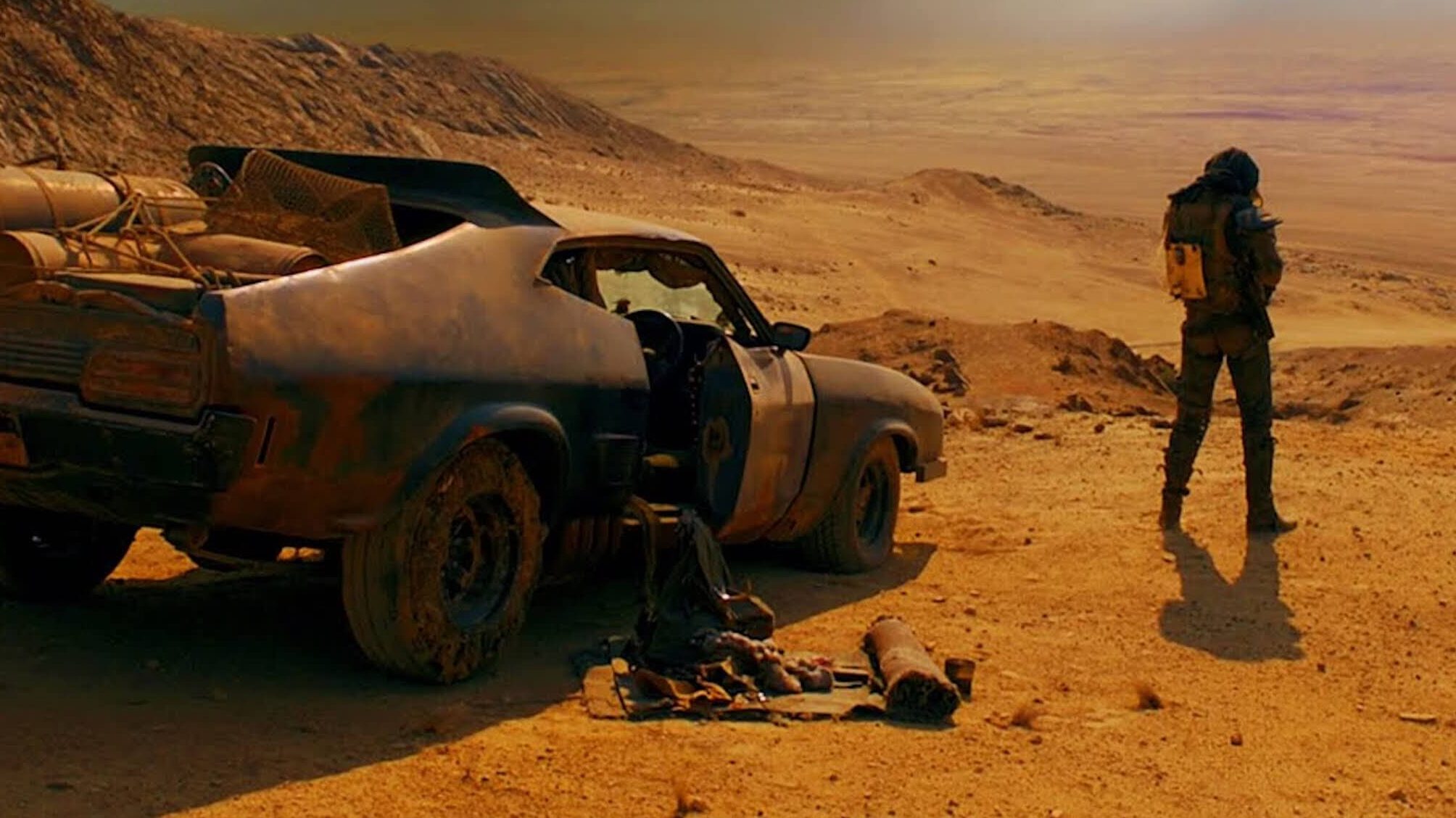
It was Alfred Hitchcock who famously said that the three most vital elements of a film are “the script, the script, the script.” But when it comes to buying real estate, the three most important ingredients are location, location, location. And since location is a major part of any screenplay, it must be pretty damn significant.
In 2005, I had completed a high-concept commercial romantic comedy spec screenplay, which got rave reviews, until Will Smith and Kevin James hit the big screen in the successful rom-com Hitch.
My screenplay, unfortunately, was not too dissimilar. I was devastated. Countless drafts and the better part of a year, I thought, down the tubes. But my manager made a suggestion: keep the story; change the world, a world that no one had scene before, something really different. So my corporate metropolis became a Podunk Renaissance Faire. Sure, there were a ton of changes, but I solved my Hitch problem and the screenplay just kept getting better. My manager was right: same story; new location.
As screenwriters, we're often telling the same story again and again: Romeo and Juliet in World War II Sicily; Romeo and Juliet at Band Camp; Romeo and Juliet on a Mission to Mars. Same story, new character details, but often, it's the location alone that makes the movie.
Screenwriting is a visual journey. The location is integral to experience, don't under estimate it's importance.


