Situation

An artist is a man of action, whether he creates a personality, invents an expedient, or finds the issue of a complicated situation. - Joseph Conrad

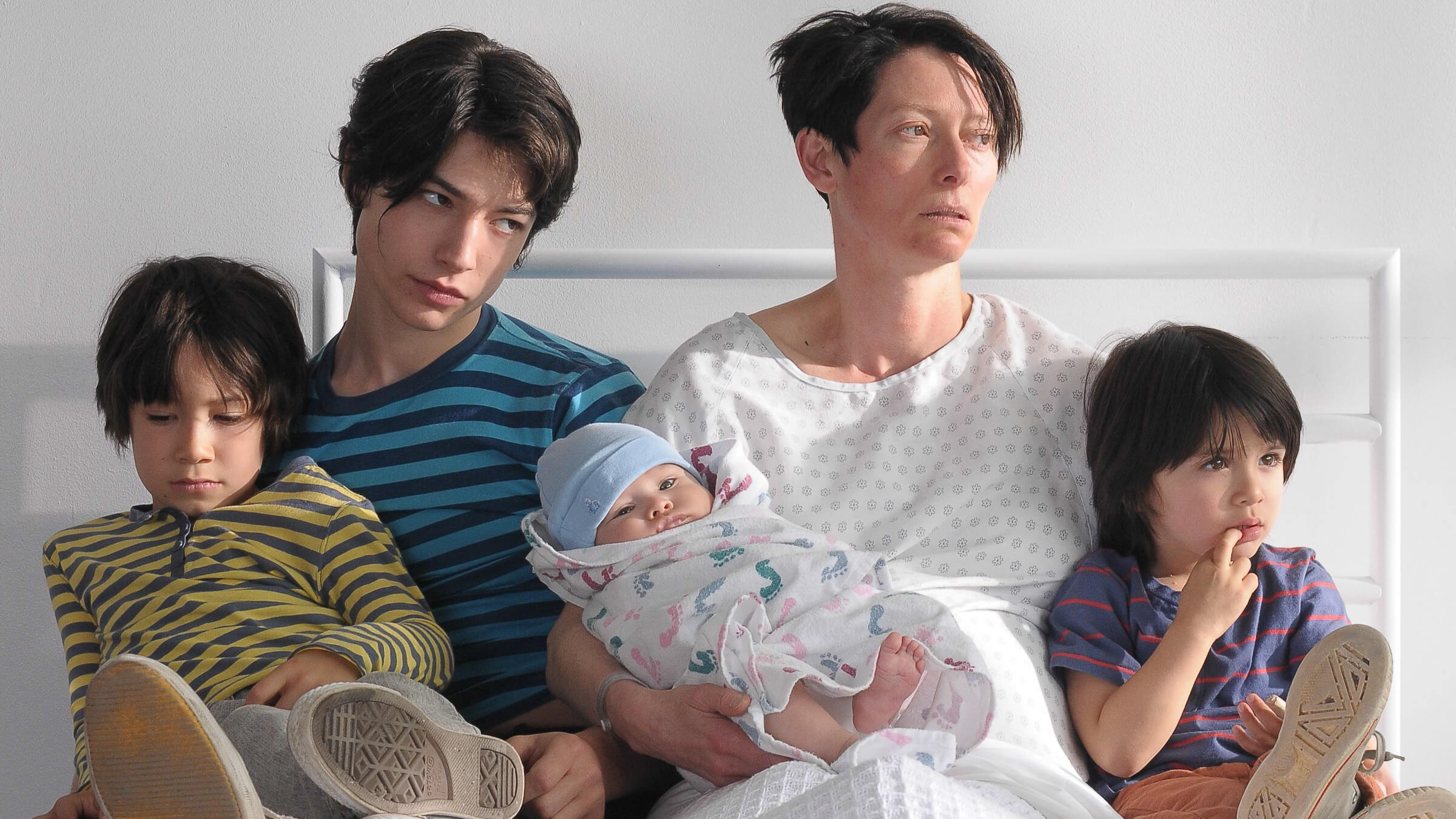
The 2006 comedic screenplay Little Miss Sunshine, penned by Academy Award Winner Michael Arndt, isn't funny because it is full of funny characters. Ardnt doesn't put characters in a room and force them to make us laugh. Not at all. In fact, the entire family is a tragic mess: Grandpa is a foul-mouthed horny heroin addict, Frank is a gay intellectual with an inferiority complex and a recent survivor of a suicide attempt, Dwayne is an apathetic teen trying to evade family reality through a Nietzschean vow of silence, Richard is a self-involved father pushing his quixotic nine step system on "How to be a Winner" onto everyone - including his family, and Sheryl is a pissed-off enabling wife about a stones throw away from filing divorce papers. The only seemingly "normal" one of the bunch is Olive, the seven-year-old daughter who dreams of someday transforming herself into a child-sized Aphrodite and winning The Little Miss Sunshine Beauty Pageant.

Addiction. Suicide. Denial. Selfishness. Divorce. Idolization. These subjects don't necessarily seem like ideal themes to explore in a comedy. However, the best comedies really come from tragedies. But the funny stuff in Little Miss Sunshine is never "funny" characters trying to be funny. Quite the opposite. These are real people just trying to live their lives and get through another hard day. What's funny is the situation: a dysfunctional family takes a cross-country trip in their VW bus to get their seven-year-old daughter to the finals of a beauty pageant.

Imagine your own family stuck in a beat up old VW bus for two days and 800 miles. Then add in conflicts and obstacles: no air conditioning, news that your father's nine step system is a failure, your brother discovering he's color blind and can't pursue his dream of becoming a Air Force pilot, the horn of the VW inadvertently honking mile after mile, being pulled over by the fuzz, and even Grandpa dying of an overdose. Grandpa dies... and we laugh, because of the situation.

There are a number of situations in your screenplay. The first is in the beginning - the status quo - and illustrated through Act One of the script. The second situation begins when your main character is lock-in to the second act tension. This dramatic situation builds with rising action as internal/external conflicts and obstacles arise while the protagonist struggles to achieve the main objective. And a final situation begins with Act Three, once the protagonist has reached the objective and is propelled into yet a new situation with a new goal. 

However, no situation will work if it is not plausible. We must believe (with genre variance) that the situations the characters find themselves in are not only plausible, but inevitable.

Plausibility


Dramatic effect derives from what is probable, and not from what is possible.
- Aristotle
 
The course of events the screenwriter sets in motion has not only followed the plausible path; the audience comes to believe there could not possibly have been any other outcome. This feeling of inevitability - a combination of characters moving along a course from which there is no possible turning - is perhaps a screenwriter’s finest achievement.
 
Inevitability is the sense, as the events unfold, that they couldn’t have happened another way, while predictability relates to the audience’s capacity to guess what is about to happen. So long as there are two equally plausible outcomes preventing the audience from guessing what is going to happen in the next scene or sequence or at the resolutions, the story is not predictable. And if, at the same time, each step along the journey or the story feels probable and the hand of neither God nor the writer is visible, the story’s unfolding events will seem inevitable.

Dramatic effect derives from what is probable, and not from what is possible. - Aristotle

The course of events the screenwriter sets in motion has not only followed the plausible path; the audience comes to believe there could not possibly have been any other outcome. This feeling of inevitability - a combination of characters moving along a course from which there is no possible turning - is perhaps a screenwriter’s finest achievement.

Read more: Plausibility


Rising Action


From the moment a dramatic situation which contains a grave conflict has been created and has to be resolved one way or the other, the viewer begins to guess in what direction the story will develop, accepts the hopes and desires of the main character and, at the same time, begins to realize the abyss in which the hero could crash.
 
From this starting point - the beginning of the second act - the efforts to solve the predicament (often caused by some kind of offense, wrong-doing, injustice, or error) lead to several sequences of rising action.
 
Hopes and expectations are created, alternative approaches or directions are weighed, doubts and hesitations are fought, decisions are made and actions are started. The first obstacles are overcome and, in the middle of the second act, things reach a point that looks like a possible solution, either negative or positive (the first culmination).
 
But the consequences of previous actions, new counteractions of the antagonist, new complications (usually unexpected yet explainable) or new obstacles arise, forcing the characters to exert all their faculties, powers and talents. The audience’s involvement grows higher, too, until, in the last sequence of the second act, where the main culmination is reached.
 
That is the extreme ulterior point of the protagonist’s drive or defense. He or she has done everything that is in his or her powers. The battle is solved and “descending” action starts with a new tension.

From the moment a dramatic situation which contains a grave conflict has been created and has to be resolved one way or the other, the audience begins to guess in what direction the story will develop, accepts the hopes and desires of the main character and, at the same time, begins to realize the abyss in which the hero could crash. 

Read more: Rising Action


Obstacles


OBSTACLES
 
If the protagonist and his objective constitute the first two important elements in the construction of a story, the various obstacles collectively constitute the third.
 
Although the unity of the story depends on there being but one main objective, there is no threat to unity from the use of multiple obstacles to the achievement of that objective.
 
In a film, when all the obstacles have been eliminated except the one that is most difficult for our protagonist, the audience is completely focused on an either/or situation. They will hope. They will fear. They will be engaged.

If the protagonist and his objective constitute the first two important elements in the construction of a story, the various obstacles collectively constitute the third. 

Read more: Obstacles


How to Watch a Movie: Part 4

Screenwriting Script Tips
As we conclude this series (see Part One, Part Two, and Part Three), let’s take a look at some final key elements to be aware of when watching a film: 6) Lighting & Art Direction. Stark hard lighting. A single, swaying light bulb. A beam of moonlight piercing through a dungeon cell. Mood – either in a particular scene or as an entire film – is often determined by lighting and location. The way shadows fall, the actual types of sets used, and how images are revealed are essential to establishing atmosphere. (7) Soundtrack. The hero and heroine rush into each other’s…

20 Steps to Screenwriting Success

Screenplay What is a Screenplay?
Screenwriting is a skilled trade, and a good screenplay must be molded and managed with craftsman hands. But so does a screenwriting career. It takes dedication, fortitude, and time – ten years to have overnight success - but if you’re willing to do the hard work to turn your ideas into completed screenplays as well as build a screenwriting career, follow this 20 step roadmap to screenwriting success: Click Here to Start
Copyright © 2012 The Script Lab LLC - Help  |  PR Media Kit  |  Advertise  |   Site Map  |  Jobs at The Script Lab
Terms of Service and Privacy Policy / Safety Information / California Privacy Rights are applicable to you. All rights reserved.